Sketch Your Way to Smarter Learning

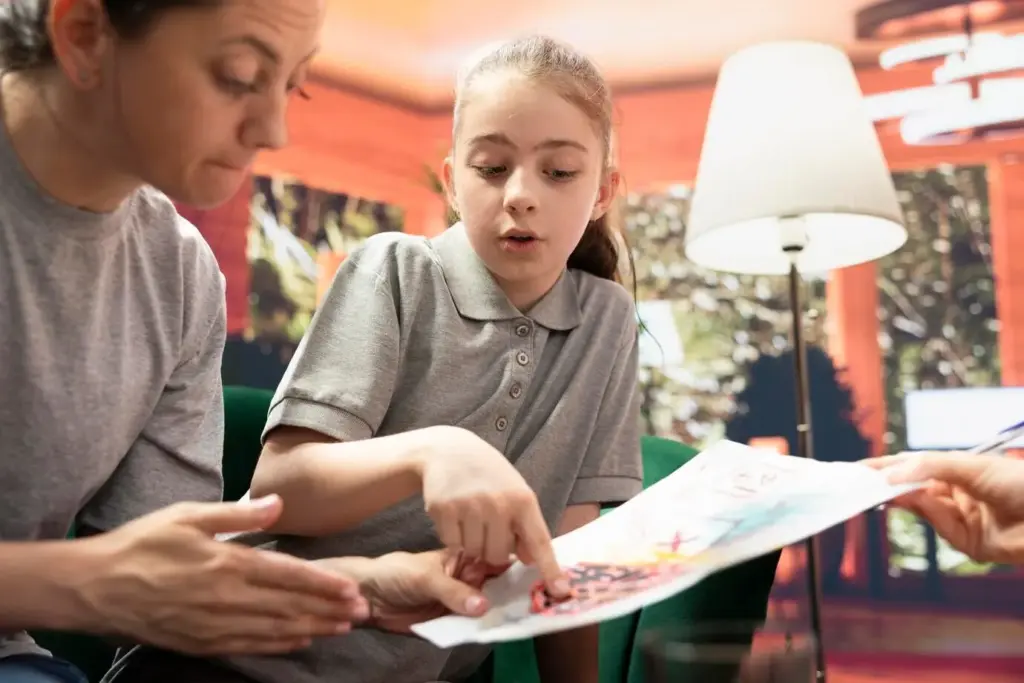
Today we’re exploring visual note-taking for everyday learners, turning ideas into sketches, arrows, and simple words that stick. You will discover how pictures boost memory, how to start with modest tools, and how to practice without pressure. Share your questions or wins, and consider following along for weekly prompts that keep pens moving and curiosity alive.

Why Pictures Help Brains Remember

Across classrooms and offices, people remember more when words pair with visuals. Cognitive research highlights dual coding, chunking, and the picture superiority effect. Expect practical translation, not jargon: you will learn what to draw, why it works, and when minimal sketches beat dense paragraphs.

Dual Coding, Demystified

Imagine hearing a concept once, then re-encoding it as a quick diagram with a keyword. Text taps verbal channels; the drawing taps visual channels. Together, they reinforce each other, creating retrieval routes under stress. Try it with a recipe, definition, or policy update.

When Images Outshine Words

A colleague once summarized a three-hour briefing with four icons and two labels. Months later, everyone still recalled the key risks because images compress meaning elegantly. You do not need art school; you need contrast, repetition, and a willingness to simplify relentlessly.

Make Recall Active, Not Passive

Rewriting notes is passive; redrawing a concept from memory is active. Close your notebook, sketch the process with boxes and arrows, then check gaps. Each deliberate attempt strengthens pathways. Celebrate mistakes as navigational beacons showing where understanding wobbles and effort should focus.

Starter Kit: Tools, Lines, and Simple Shapes

You can begin with a pencil, a dark pen, and any paper, or a basic tablet app. Focus on contrast, smudge resistance, and portability. Lines, dots, triangles, and circles become people, ideas, and actions. Build confidence through constraints rather than expensive gear.

Layouts That Tame Complex Information

Order calms anxiety. By choosing a layout early, you reduce cognitive load and free attention for listening. Grids, columns, and paths act like invisible rails, guiding ideas to clear destinations. You will explore options that work under pressure and limited time.

Everyday Moments Worth Capturing

Learning happens beyond classrooms. Capture conversations with friends, tricky tasks at work, and quiet insights during commutes. Visual notes turn fleeting moments into reference points you can return to later. Start small, build consistency, and invite others to add doodles or clarifying labels.

Color, Type, and Clarity

Great pages are readable at a glance and rewarding on a second look. Limit colors, define lettering styles, and space elements generously. These choices create rhythm and hierarchy so your eyes relax. The result feels calm, confident, and easy to revisit.
Assign meanings to colors before you start: blue for ideas, red for risks, green for actions, gold for wins. Keep neutrals for most lines. Purpose beats decoration, preventing visual noise and making later scanning surprisingly accurate and pleasantly quick.
Use three lettering sizes: headline, subhead, detail. Mix simple sans for body and a playful bold for headers. Practice spacing and consistent baselines. Better lettering is legibility, not artfulness, and it lets your drawings carry meaning without competition.

Build a Sustainable Practice

Consistency beats intensity. Short, frequent sessions turn drawing into thinking, not a special event. Track small wins, reuse templates, and seek community. The right habits deliver momentum, while kindness to yourself keeps experimentation joyful and resilient through messy moments.
Xevonelurexekixomorifo
Privacy Overview

This website uses cookies so that we can provide you with the best user experience possible. Cookie information is stored in your browser and performs functions such as recognising you when you return to our website and helping our team to understand which sections of the website you find most interesting and useful.